
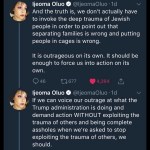

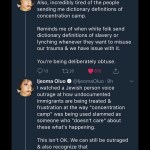

@ goyim please take this into consideration
goyim reblog
“Concentration Camp” has that shock value/visceral response, plus lovely alliteration that we like in our names-of-things, but, until Trump escalates to all those OTHER activities associated with actual concentration camps, we perhaps should stick to “immigrant prison” or “internment camp.”
Immigrant Prison? And do NOT call them “Internment Camps”. As someone whose family was INCACERATED unconstitutionally just because they were Okinawan (WWII), I can tell you that the large majority of the Japanese American population does not like the term Internment Camp. That softens the blow and the term, “Incaceration “Camp” is far more appropriate not only for our experiences but for that which is happening now.
I’m firmly on the side that they’re concentration camps, and that “concentration camp” is, and should remain, a wide umbrella word that covers everything from the British concentration of Boers (the original usage) to the Japanese-American camps (’internment’ was always a bullshit euphemism and very recent coinage) to the Nazi concentration camps to the US camp in Brownsville Texas.
But the Nazis concentration camps were also death camps. That, to me, is the linguistic specificity that should never be erased. You can’t say that about any of the other kinds of concentration camps. None of them were designed and carried out for the express purpose of killing everyone (mainly Jewish people) that they concentrated into the camp.
I agree with the tweets though. Just because a Jewish person objects to the usage doesn’t mean they don’t care. I respect where they’re coming from even if I might not agree.
Here’s a recent link to a fairly respectful and measured historical debate over the term ‘internment’ versus ‘concentration’:
You’re right they were trying to kill people at all camps but when discussing the Holocaust the phrase “death camps” (or extermination camps) is used to specifically refer to the camps where people were gassed/were set up for the purpose of industrial scale mass murder. So death camps would mean: sobibor, Treblinka, belzec, chelmno, the parts of austwitz and majdanek that were death camps (these ones are a bit hard to categorise), and sometimes trostinets is included.
This doesn’t really help with the terminology question cause ‘regular’ concentration camps don’t have a name they are referred to other than that just this specific subset, but it is a clear distinction that’s usually made. It’s a useful one whenever discussing the deathtoll from death camps or the process by which the death camps were set up as opposed to other concentration camps or the experience at death camps specifically (which was pretty much a uniquely Jewish experience whereas other people were also sent to non-death camp Nazi concentration camp, for example) – that distinction is useful and often worth making which is why people do, it’s also not the most descriptively named distinction unfortunately 
I do think the question of ‘can we talk about what happening now without through use of language forcing Jewish people to think about the Holocaust, which is traumatic, whether or not that language is technically correct or not?’ is a good question also! But as I don’t have an answer mostly the point I’m making here is how the Holocaust is and has been for years spoken about (but I’m not trying to ignore the rest of it)
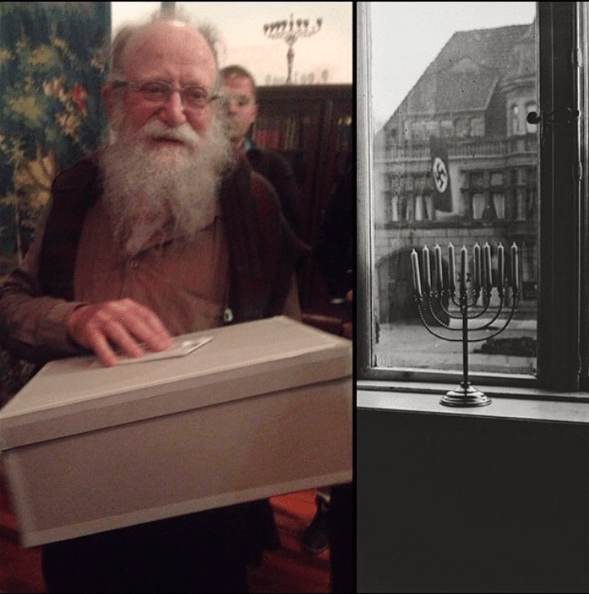
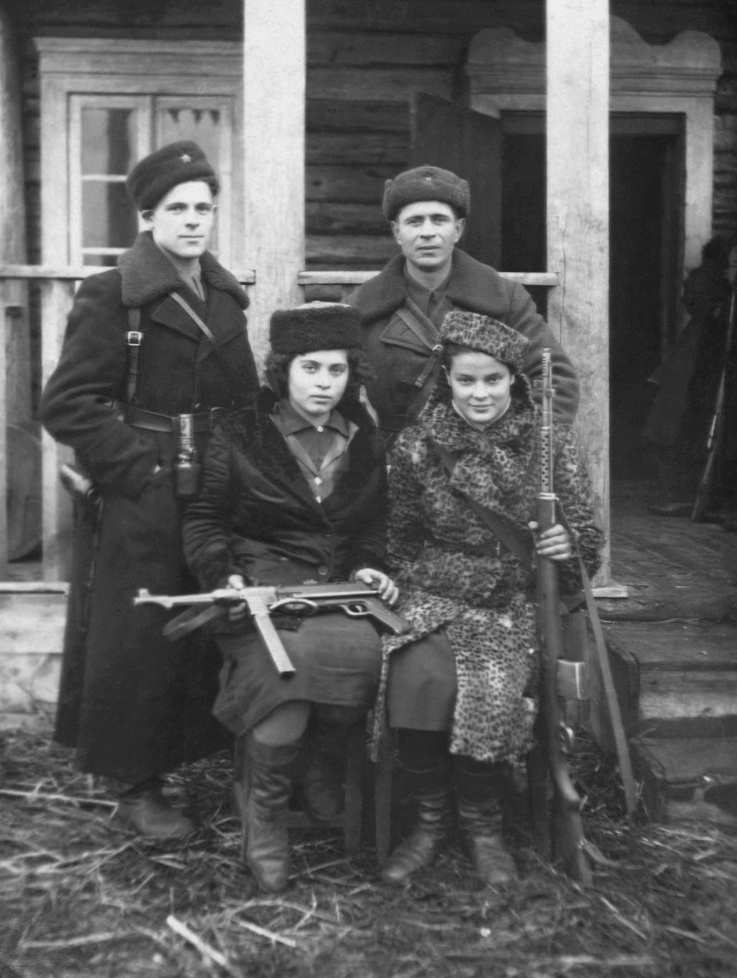






 fearlessstateofmind backup