The thing that really gets me about a lot of fantasy and speculative works (include fic) is that the history of Jewish oppression is 9 times out of 10 used for the Featured Stand In Fantastically Oppressed Race in some way shape or form.
Tolkien’s dwarves are the worst kind of 19th-20th century Jewish stereotypes mixed in with our history of diaspora.
Dragon Age’s elves are a combination of the oppression and colonization of First Nation indigenous peoples and Jewish diaspora and ghettoization.
Not to mention we’re normally depicted as aliens in forms of sci-fi (Star Trek casts as both the good Vulcans and as stereotypes with the mercantile Ferengi) But wherever you go we certainly aren’t depicted as human.
The worst thing is is that these are shallow offerings of our history being used because they’re usually being written by gentile writers. DA’s Dalish elves and City Elves are coded as Jewish virtually everywhere, but one of the main elven characters, Solas, is going to be cast as a villain in future games. Because genocide is a much cheaper storyline than dealing with complicated ramifications of a people struggling with a millenia of diaspora and systematic oppression. And casting one of the coded Jewish characters as a propagator of mass genocide isn’t antisemitic at all, right?
I can’t tell you how discouraging it is to see our very real life stories getting used as cheap oppression bait when there’s room to tell nuanced and defined stories and characters IF we were the ones in control of these stories.
If you want to use our history for story you had better be committed to fully realizing that story and giving those characters a certain level of dignity.
But I truly don’t see that anywhere. Frequently I see even fans with their elven OCs or what have you not even bothering to research basic facts about what living in a diaspora culture looks like, or what that history does to you as an individual and the pressures you face that shape YOUR ENTIRE LIFE.
It just feels like both creators and fandom take all the history of people’s oppression for cheap tragedy points and conflict rather than using it to examine how we thrive, how we flourish, how we excel as a community and as individuals. Because that would require actually looking at us as humans, which considering that we’re already being depicted as dwarves, elves, animals, aliens, etc., tells you everything you already need to know about how white gentile authors see us.
Reblogging again until I see not the same few people and Jewish fandom noticing this because the rest of you are unnaturally quiet all of a sudden.
Tag: cw:
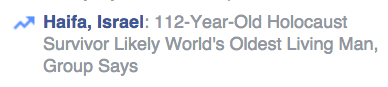
hahahahaHAAAA HAAHAHA HA HA HA HAHA HA
I would not be surprised if his answer to “what’s your secret” is “fuck the Nazis, I’m living forever”
He’s running on pure spite.
You know what annoys me? Male bathrooms not having the sanitary bins. Is it really that hard to put them in both? I mean gender neutral bathrooms would be even better, but the bins are easy.
I’m not willing to out myself just because I’m on my fucking period.
And I hate using disabled bathrooms unless I have to because that’s just taking away from people with disabilities who genuinely need them for the facility.
Trans people aren’t disabled. It’s not that hardOkay so. In follow up to this, I’ve just been elected as a trans convenor for my university. This is the first thing I’m going to change.
I’ve done some more thinking too, because having sanitary bins in male bathrooms will also probably help with destigmatisation? It will help normalise the fact that non-female people have periods, and hopefully normalise it. I’m considering putting a sign on them too with a brief explanation as to why they’re there. Again, hopefully helping to educate people.
that’s all great I think you should do it but also you have misundertood some of the point of accessible bathrooms, trans people are not disabled (well not by virtue of being trans) but there are other accessibilty concerns…
namely safety and hygeine. Safety is the one at play when parents with young children use accessible bathrooms when they dnt have room to take (say more than two or something) children into the stall but those kids also cannot be left alone. Hygeine is the reason when people who use incontinance pads and need to dispose of them (this is probably the most direct comparison) or clean up because its also the only bathroom with a private sink (with also benefits people who self inject insulin, for example – and for that matter people who are on their period usualy use the womens so have no issue with disposal but need to clean up more privately because of leaks or whatever)
and thats all fine because its part of the reason such bathrooms exist, safety and hygiene are legitmate accessibilty concerns and you can use an accessible bathroom because of them.
on the flip side if you are putting in a single stall gender neutral bathroom that also meets requirements to be made accessible in other ways (for example disability, or family) there is no real reason to no do that

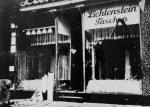
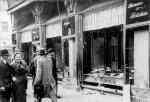
November 10th 1938.
German and Austrian civilians and authorities take part in a state pogrom, destroying Jewish businesses, synagogues, schools and ultimately, lives.




dovalbun replied to your post “[[MOR] apparently its too much to ask that people dont have…”
what the fuck?
i’ve probably phrased that too vaguely and worried you – for that post specifically it was the camp badges, though other stuff too like you see the lines of numbers used ‘for effect’. Not explicitally nazi symbolism – that’s kind of a different problem, and would be more scary
but this freaks me out in a ‘oh one of my art posts got notes I’ll just check them, yep totally wanted to think about the holocaust right now thats not at all traumatic’ way basically.
I am okay though, if you are worried
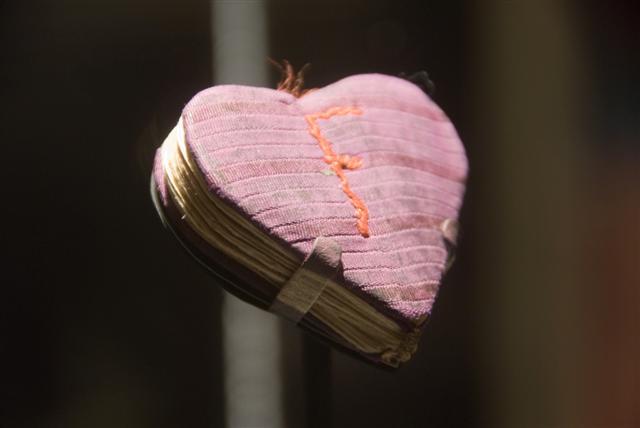
Do you know what this is? This is The Heart from Auschwitz.
An act of defiance.
A statement of hope.
A crime punishable by death.On December 12, 1944, locked inside Auschwitz, Polish teenager Fania turned twenty. After spending a year in a concentration camp, Fania didn’t expect her birthday to even be remembered – but her best friend, Zlatka, risked everything to make her a birthday present, a paper heart.
Simply making the heart – or carrying it – could get either of them killed.
The heart was signed by many of their friends, bearing notes in Polish, German, French, and Hebrew that announced "When you get old, put your glasses on your nose, take this album in your hand and read my signature again,“ and “Freedom! Freedom! Freedom!” It was an act of great sacrifice and love for a friend.
Less than 40 days later, they began the Death March from Auschwitz to Ravensbruck, and from Ravensbruck to freedom. Fania carried the heart under
her arm the whole time. And survived.Fania donated the heart to the Montreal Holocaust Memorial Center in 1988, where it is a featured piece of their exhibit. You can read more about the story of Fania and Zlatka in Meg Wiviott’s Paper Hearts, coming September 2015.
things i could do with people not putting on my dash:
- people who are not holocaust survivors using or wearing holocaust symbols (outside of remembrance)
- positive stuff about holocaust deniers




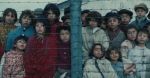

i’ve said this before but i want to repeat that i believe there’s a strong case to be made that holocaust denial is far more widespread, multifaceted, and insidiously institutionalized than it is often depicted.
the way we are taught about the holocaust, the way the narrative is constructed by states to alter the story and diminish and negate the experiences of the actual victims, the way the suffering is externalized from those who faced it, the way we are taught to focus in on the tragically flawed character of hitler and restrict the theatre of genocide to germany and german state actions, the way all of this is depicted in a way that pays no respect or recognition to all the players in this horrific atrocity of atrocities, is nothing short of holocaust denial. and it’s a denial that is played out in mainstream culture daily and diversely.
make no mistake, the holocaust was much bigger and much scarier than anything you have been taught, and its effects will likely continue to be felt for generations to come. this was a cataclysmic process with many components, and the way it is taught makes it easy for those who are not effected by it to forget and to silence those who are.
 fearlessstateofmind backup